
Wild Mushrooms Online — UK wild mushroom field guide & foragers club

Know exactly what you've found. Never eat anything you are not sure of. There is no substitute for proper guidance on a foray with an expert. Correct mushroom identification takes time and experience.

A properly organised field guide to British wild mushrooms — seasons, habitats, lookalikes and the deadly species every forager must learn first. Plus recipes, courses, and the finds our members post from the woods each week.

Species
47
Good edibles
16
Deadly
6

Out now — November

Everything in season this month

Free printable · November

What to spot in the woods this weekend

A one-page field card for your basket: this month's edibles, the deadly lookalikes to rule out first, and a quick safety checklist. Plus our new Velvet Shank vs Funeral Bell guide and after-the-frost foraging notes.

Get the field card

Never eat a wild mushroom on the strength of a website alone. Some deadly species look very like good edibles. Check every feature, and get an expert opinion if there is any doubt at all.

Read the full foraging safety guidance.

Checking the weather across the UK…

Learn these first

The dangerous ones. Recognise them on sight and the rest of foraging gets a lot calmer.

Start with these species

Full guide

Latest finds

Posted by members. Rough areas only — nobody shares their patch.

See all
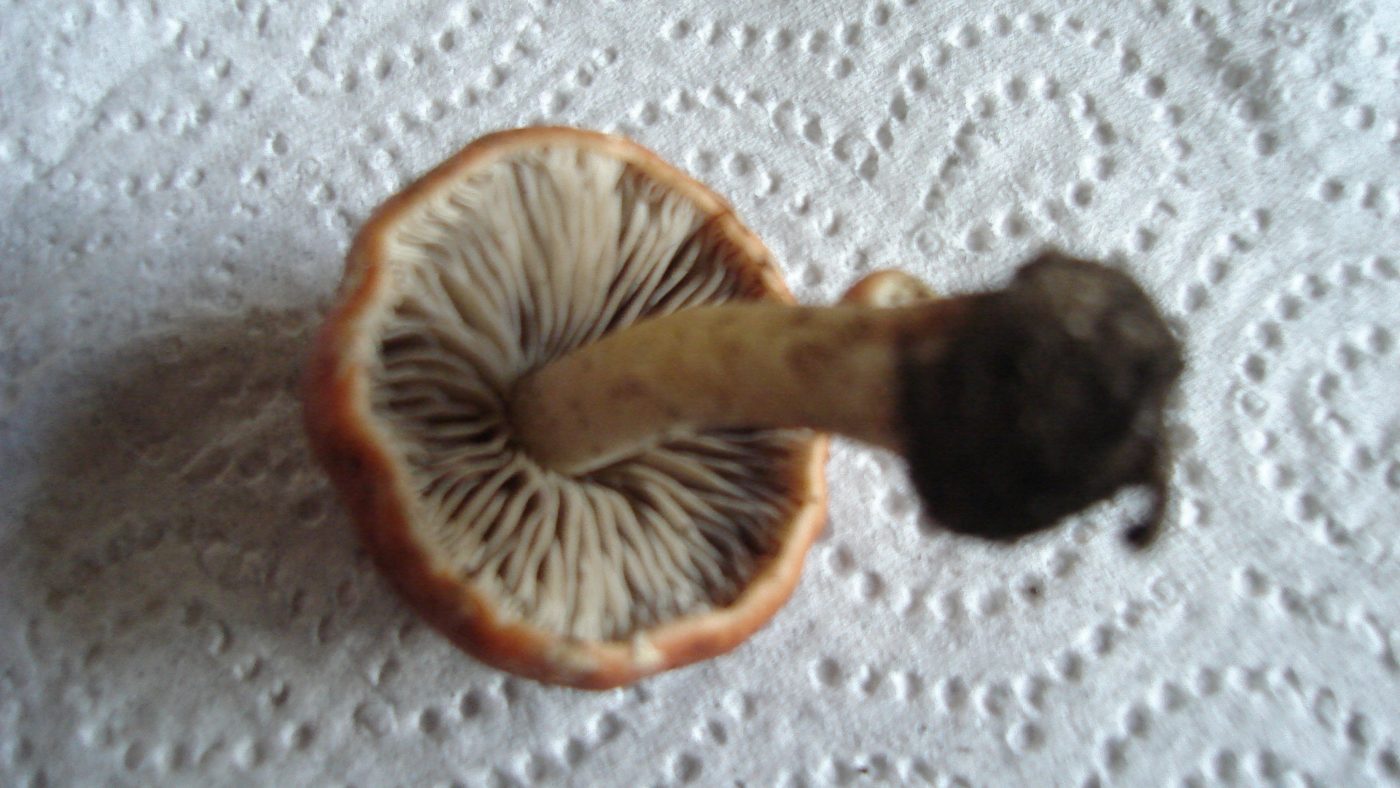
Mystery mushroom on an allotment
CChris18 Sep 2010

Originally posted by booeddie · Archive

Mystery mushroom on an allotment

Original post: "Found on my allotment, any ideas?" The discussion: Geoff guessed it was some sort of Cortinarius (webcap), and another member said simply "not something I would eat". Webcaps include deadly species, so this is one to leave alone. From the archive: originally posted on the old Wild Mushrooms Online "Recent Foraging Trips" board. Date shown is the original posting date. Never eat a wild mushroom on the strength of a photo or an online comment.
0 0Open
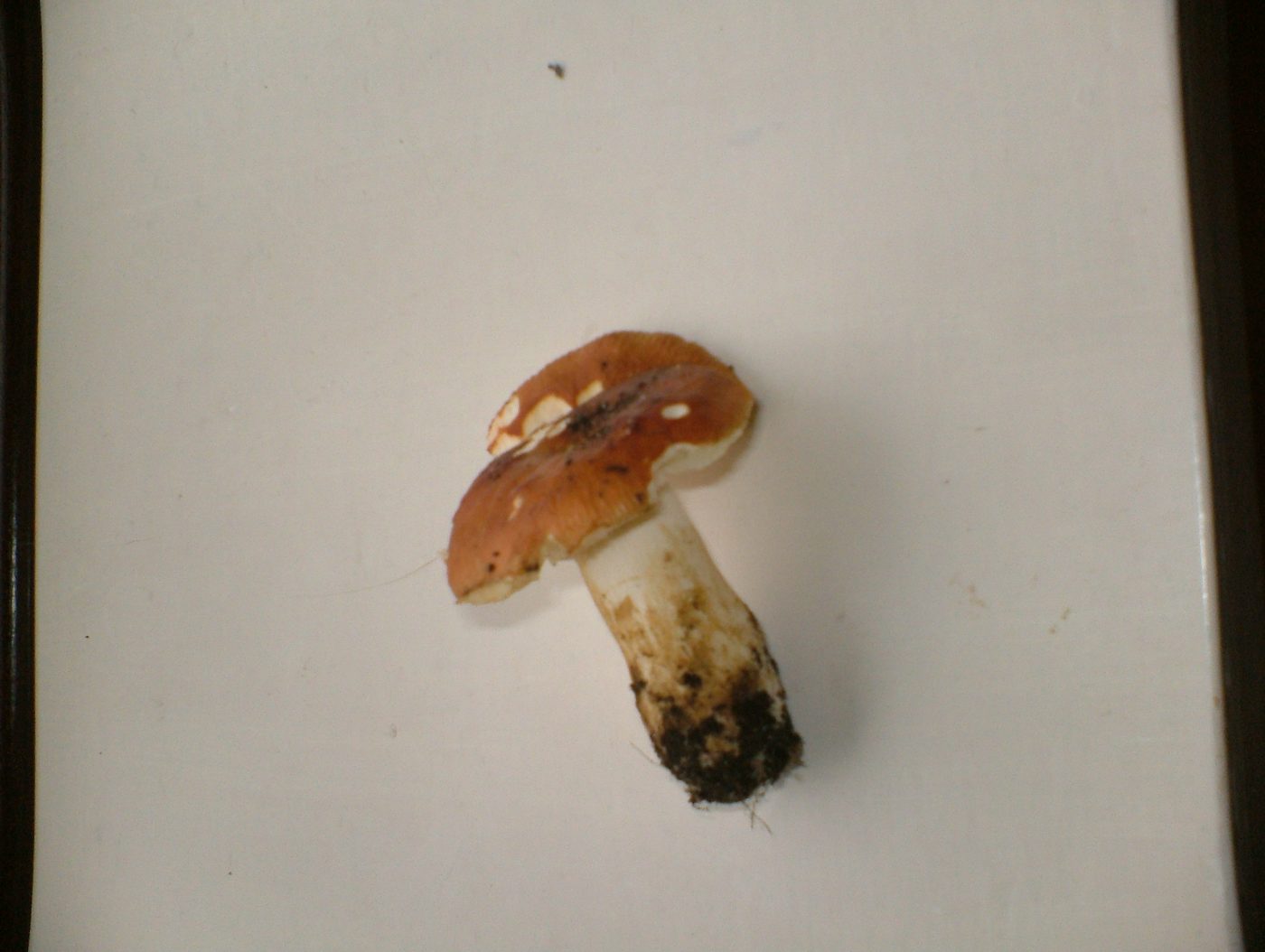
Russula vesca … again?
CChris22 Sep 2010

Russula vesca … again?

Original post: "Russula vesca??? again. Can someone give me an ID please." The discussion: Geoff said the Bare-toothed Brittlegill (Russula vesca) was his best guess too; another member suggested Russula aurata. Brittlegills are very hard to name from a photo — taste, gill feel and spore colour all matter. From the archive: originally posted on the old Wild Mushrooms Online "Recent Foraging Trips" board. Date shown is the original posting date. Never eat a wild mushroom on the strength of a photo or an online comment.

0 0Open
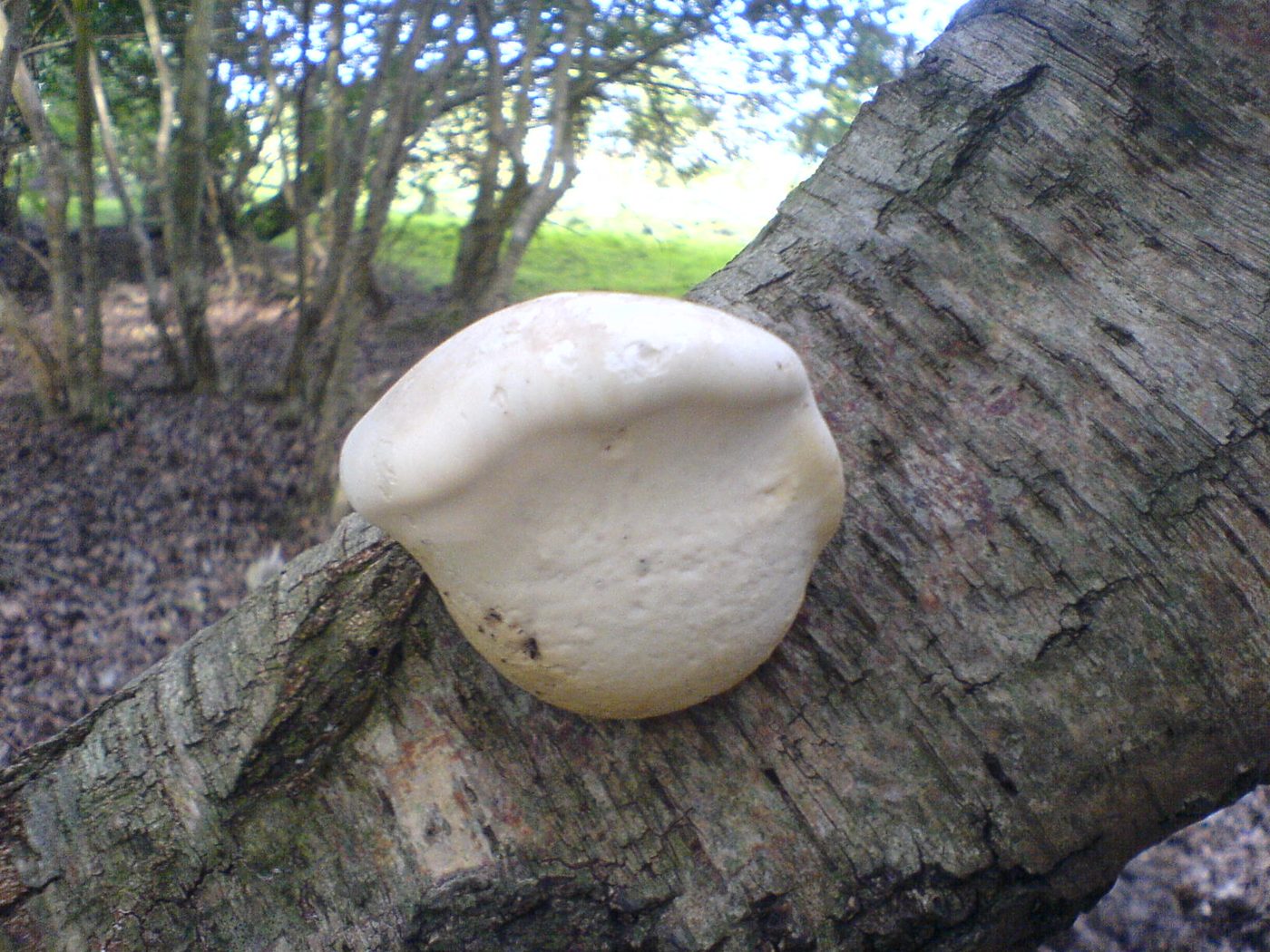
Birch polypore in the New Forest
CChris22 Sep 2010

Originally posted by Damon · Archive

Birch polypore in the New Forest

Damon asked: "Growing in the New Forest, bit stumped (excuse the pun) with this one? Any ideas?" The discussion: Geoff identified it as Birch Polypore, one of the most common fungi. Damon recalled that Ötzi the Iceman carried some, and Geoff added it was used for sharpening blades — hence the old name "razor strop fungus". A Scottish member confirmed Piptoporus betulinus (now Fomitopsis betulina). From the archive: originally posted on the old Wild Mushrooms Online "Recent Foraging Trips" board. Date shown is the original posting date. Never eat a wild mushroom on the strength of a photo or an online comment.

New Forest, Hampshire
0 0Open